Thirst for Good Partner Highlight: Riverlink
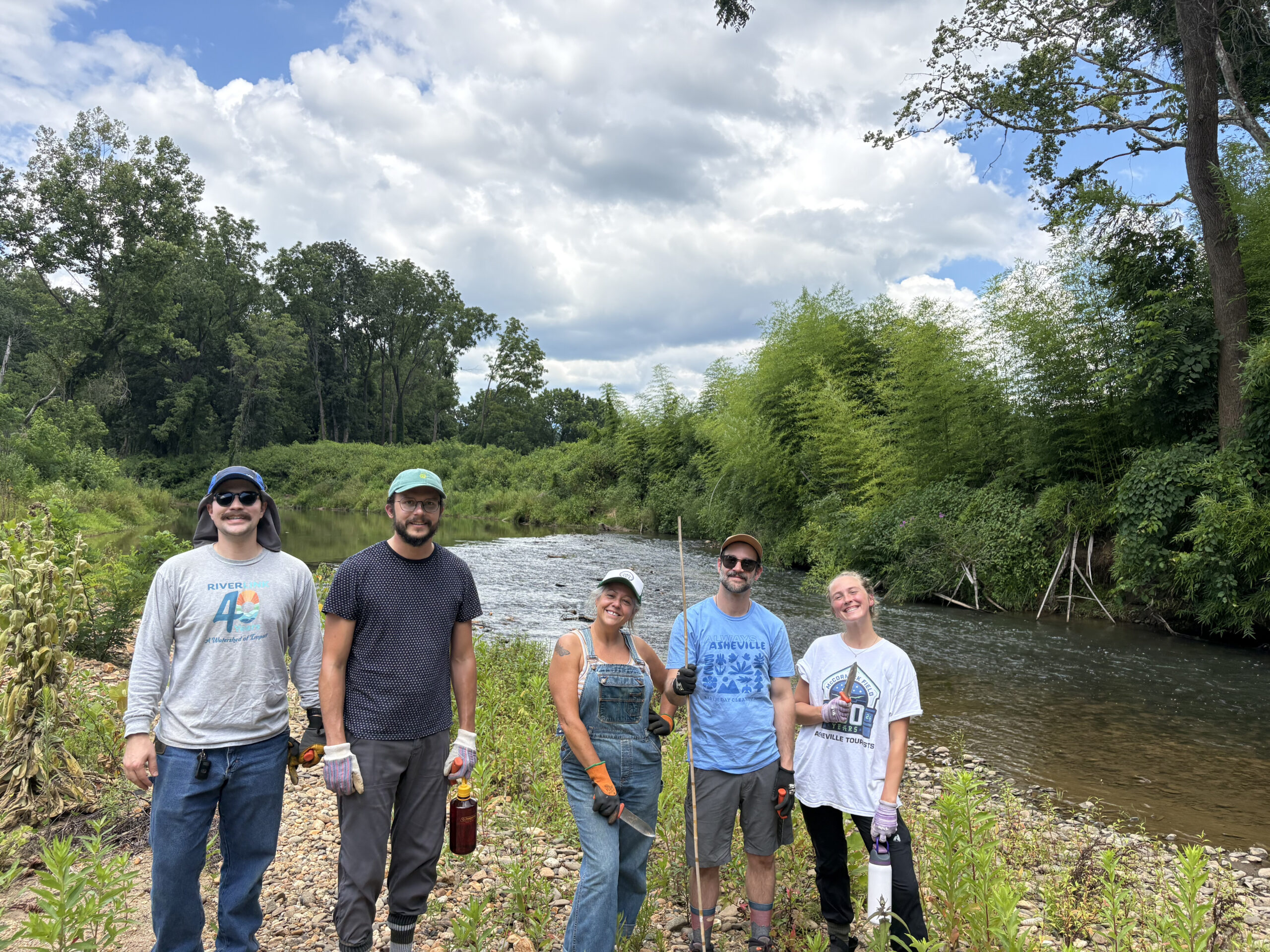
Through our Thirst for Good program, we’re proud to support the work of RiverLink — the only nonprofit in Western North Carolina dedicated exclusively to protecting the French Broad River and its watershed. From improving water quality and building climate resilience to conserving riverfront land and training the next generation of river stewards, RiverLink has spent decades making sure this watershed stays healthy for the communities who depend on it. Each year, more than 1,000 volunteers show up to help carry that mission forward, and this season, our team was glad to be among them.
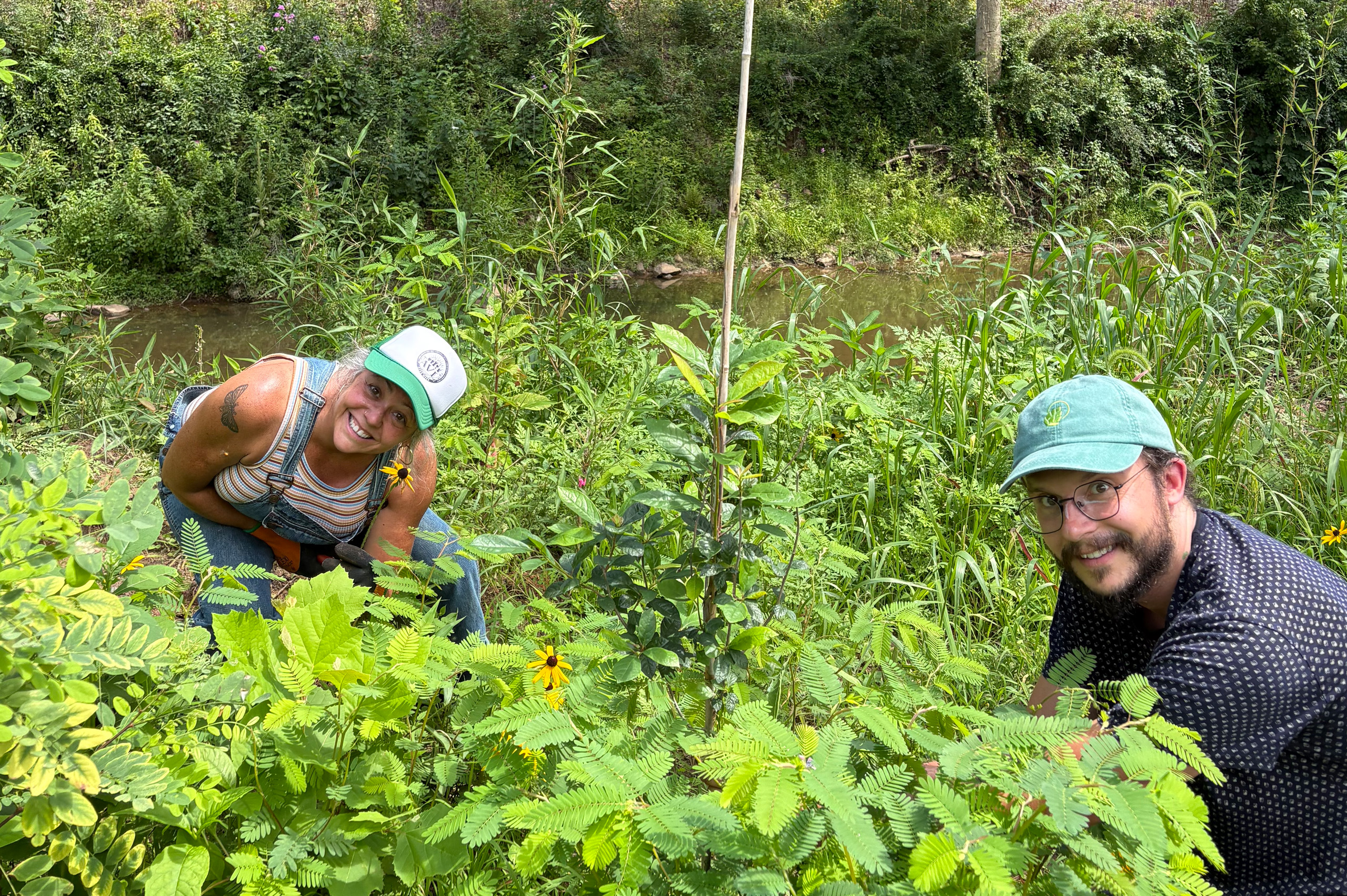
We recently spent a morning alongside RiverLink, right in our backyard on the Swannanoa River, pitching in on one of the organization’s river cane restoration projects. Our team spent time clearing invasive plants like kudzu and Johnson grass to make room for a native species that’s been disappearing from this landscape for generations.
A Plant Worth Fighting For
River cane (Arundinaria gigantea) is North America’s only native bamboo, and it once formed dense “canebrakes” across huge stretches of the Southeast. Today, less than 2% of that historic range remains. The decline traces back to widespread land clearing and, more recently, pressure from aggressive invasive species that crowd cane out before it can take hold.
That loss matters for more than one reason. Ecologically, river cane’s deep, tangled root systems are some of the best natural erosion control available — holding streambanks together, filtering runoff before it reaches the water, and creating habitat for wildlife along the way. That resilience has only become more valuable in the wake of severe flooding events like Hurricane Helene, which battered riverbanks throughout the region.
Culturally, river cane is just as essential. For the Cherokee people, cane has long been a foundational material — split and woven into intricate, watertight baskets, shaped into arrow shafts, and used in countless other traditional crafts. Restoring canebrakes along the French Broad isn’t just an ecological project; it’s an act of cultural preservation.
RiverLink’s Push to Bring It Back
With support from a Cherokee Preservation Foundation grant, RiverLink has led one of the region’s most ambitious river cane restoration pushes, planting between 600 and 1,200 feet of native cane along local waterways. Public plantings are underway at accessible sites like Karen Cragnolin Park on Amboy Road and Gateway Park on Riverside Drive, and RiverLink partners regularly with groups like Asheville GreenWorks to host volunteer workdays that keep invasive competitors at bay.
It’s slow, hands-on work — clearing kudzu, cutting back Johnson grass, giving young cane shoots the space and sunlight they need to establish deep roots. But it’s exactly the kind of patient, on-the-ground effort that rebuilds a landscape stalk by stalk.
Why We Showed Up
Thirst for Good exists to back organizations doing lasting, tangible work in the places we operate — and RiverLink is a clear example of that. A healthier French Broad and Swannanoa watershed means more resilient streambanks, cleaner water, and a stronger connection to the cultural history woven into this landscape.
Thank you to RiverLink for leading this work and for welcoming our team out to get our hands dirty in support of it. We’re looking forward to seeing these canebrakes take root — and to being back for the next workday. 💚