
Highland Brewing’s Thirst for Good
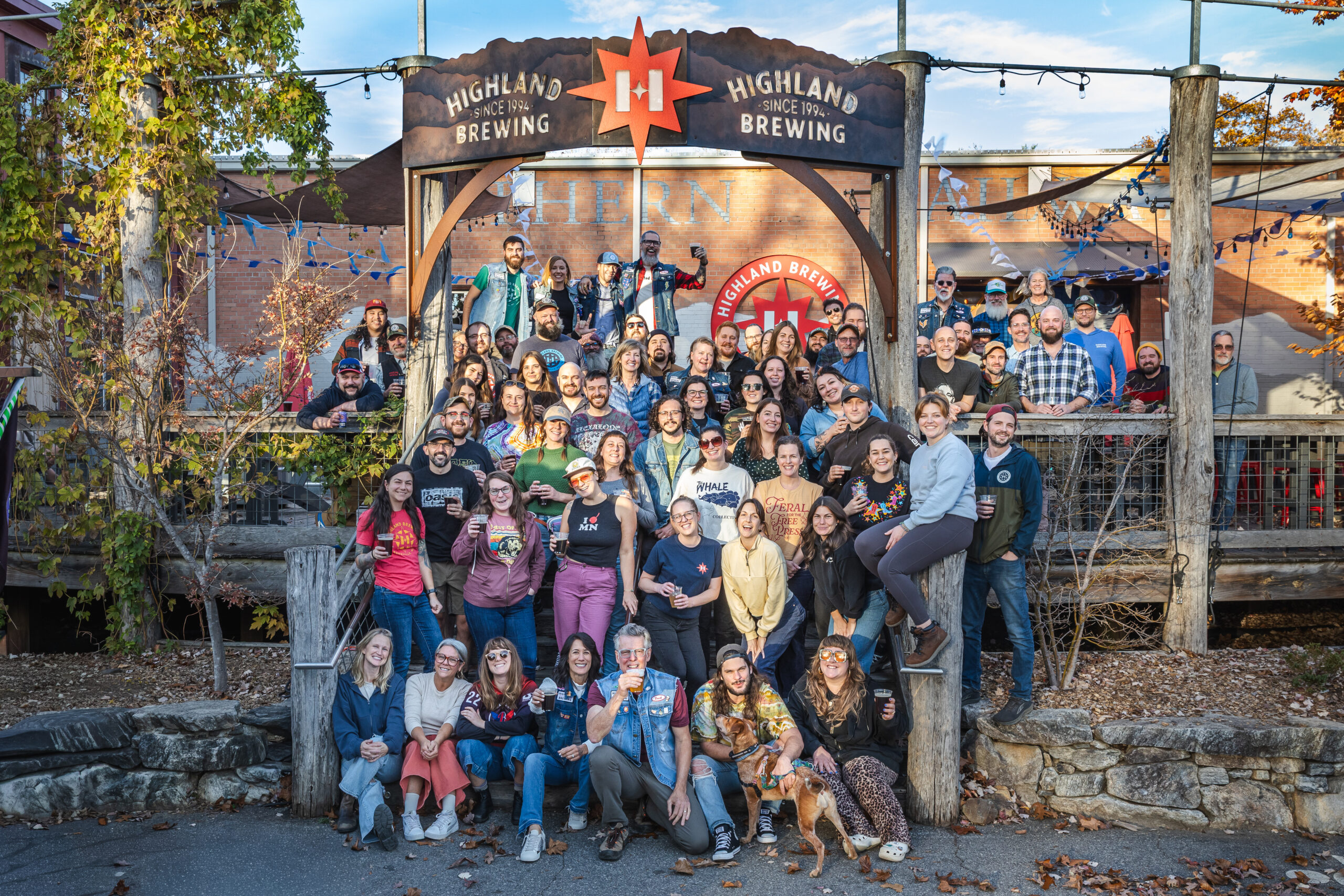
Thirst for Good is Highland Brewing’s brand badge — a short answer to a big question: why do people choose Highland? Thirst for Good is built on three pillars, Flavor, Future and Feels, and it shows up everywhere from the beer in the can to the brewery’s nonprofit partnerships to the volleyball games happening in the Meadow on a Tuesday night. Thirst for Good launched publicly in February 2025 alongside Highland Haze IPA, a beer whose sales directly supported Western North Carolina hospitality workers after Hurricane Helene.
The Story Behind Thirst for Good
Thirst for Good didn’t come from a marketing brainstorm. It came from a year of asking the same question over and over: why do customers choose Highland?
“After more meetings than I care to count, conversations with staff, guests and grocery shoppers, and a storm that ruined lives and raised our consciousness, we knew,” said Leah Wong Ashburn, Highland’s CEO. “Highland drinkers have a Thirst for Good – a high-quality beer, made in a place they care about, by a company that makes values-based decisions and adds to the community.”
That “storm” was Hurricane Helene, and it accelerated a conclusion Highland’s leadership team was already circling: the brewery’s identity was never just about the beer in the glass. It was about quality, place and purpose working together.
“It’s a new brand badge that embodies who we are and what we stand for, and most importantly, how our customers feel about us,” said Nikki Mitchell, Highland’s Vice President of Brand Development.
The Dual Meaning of “Thirst for Good”
The name works on two levels:
Thirst — a literal thirst for beer, and the instinctual, human need behind it.
Good — good as in high quality and beneficial, and for good as in permanent, ongoing and always.
Put together, Thirst for Good is both a craving and a commitment.
The Three Pillars of Thirst for Good
Highland organizes Thirst for Good around three pillars: Flavor, Future and Feels. Each one answers a different part of the question “why Highland?”
1. Flavor: The Beer Has to Be Good
Every brand story starts and ends with the product, and for Highland that means the beer itself. Flavor is the non-negotiable: quality ingredients, careful brewing and beers that earn repeat pours.
Highland’s lineup spans three decades of Asheville craft beer history, from founding-era classics like Gaelic Amber Ale, Oatmeal Porter and the beloved Cold Mountain Winter Ale to newer fan favorites like Daycation IPA, Highland Haze and AVL IPA. This lineup blends heritage and innovation, connecting the brewery’s early days to what’s on tap today.
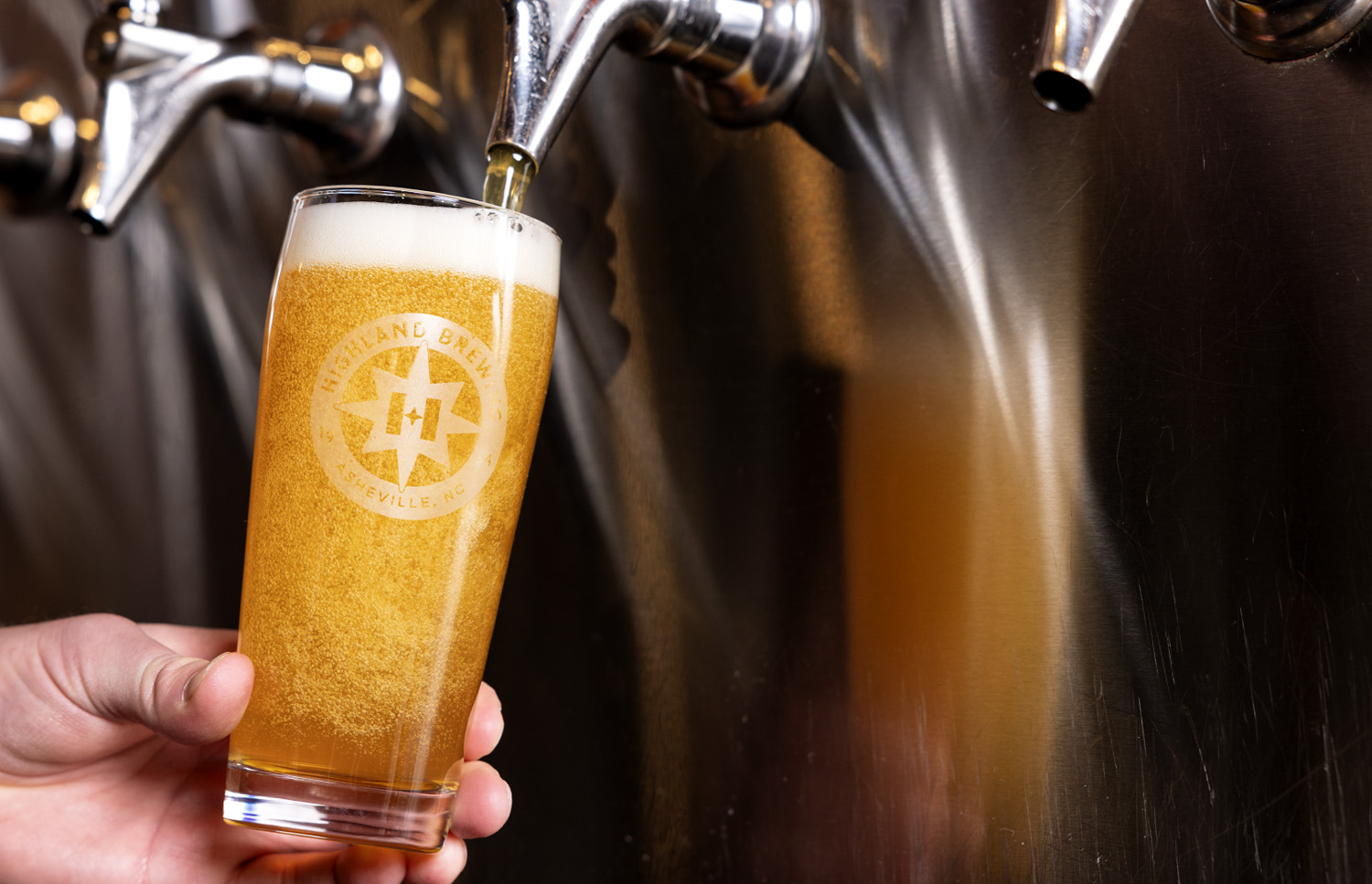
Highland Haze itself is a good example of Flavor done right: a juicy, 7.4% hazy IPA packed with tropical notes. It’s a beer built to be genuinely enjoyed first — the giving component layered on top, not the other way around.
2. Future: Investing Beyond the Brewery
Future is about where Highland puts its resources when the beer is already in the tank — community partnerships, its own team and the land it brews on.
Community partnerships. Thirst for Good is how Highland shows up for Asheville and Western North Carolina, connecting craft beer with real impact through nonprofit partnerships, community events, and giving initiatives. Rather than spreading support thin, Highland focuses its charitable giving on seven core partners — Asheville Humane Society, MANNA FoodBank, RiverLink, the Southern Appalachian Highlands Conservancy, the WNC Nature Center, HelpMate, and the NC Arboretum — so the relationships can go deeper and the impact can go further. Together, that work spans environmental stewardship, food security, and crisis response.
Internal growth. Highland is family-led and community-driven, supported by a team of over 100 employees and built on the core value of being “absurdly people focused.” Founder Oscar Wong’s daughter, Leah Wong Ashburn, joined the company in 2011 and now serves as CEO, with Brock Ashburn as Vice President and Nikki Mitchell leading as Vice President after growing up through Highland’s hospitality team — a leadership story that mirrors the “invest in your own” idea behind Future.
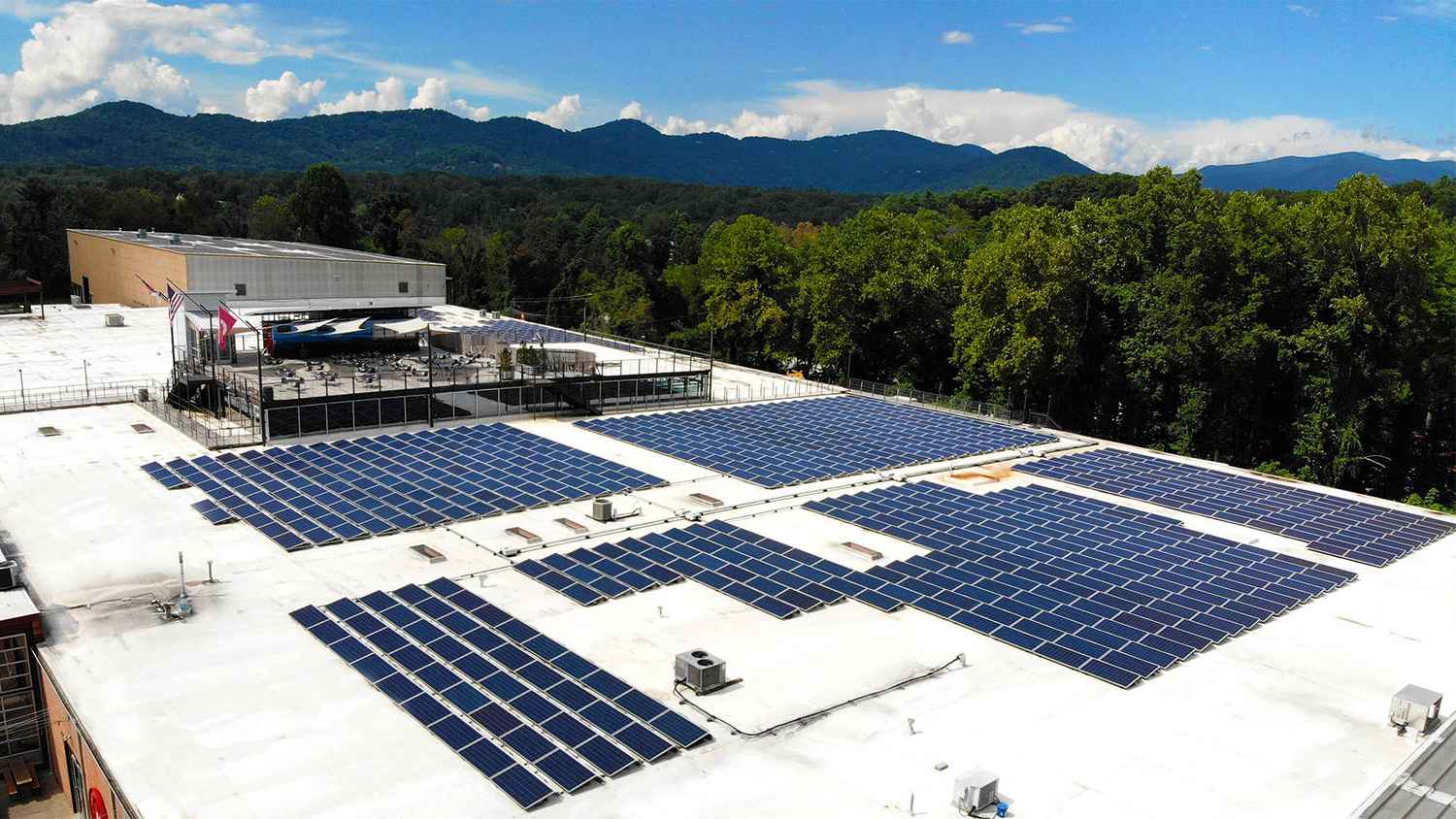
Sustainability. Highland’s East Asheville campus features one of the largest solar arrays of any independent craft brewery in the United States, part of a broader commitment to sustainable brewing across Western North Carolina. On the ground, that shows up as 1,045 solar panels, repurposed shipping containers and ongoing care for the land and water across Highland’s 40-acre property.

3. Feels: The Good Times That Come With It
Feels is the emotional payoff — what it’s actually like to spend time with Highland, whether that’s on the brewery campus or on your own porch.
At the brewery, the 40-acre East Asheville campus doubles as both a production facility and a gathering place, with five sand volleyball courts, an 18-hole disc golf course, indoor Taproom and private event venues including a Rooftop. Add free live music several times a week, dual wedding venues and a full calendar of community events — like Lunar New Year, Clawtoberfest, the Cold Mountain release — and Highland becomes less of a Taproom and more of “Asheville’s living room.”
Feels doesn’t stop at the property line, though. It’s just as much about a six-pack on a boat, a can cracked open after a hike, a cooler at a backyard barbecue, or a beach trip that wouldn’t feel complete without a Highland beer in hand. Wherever Highland beer shows up, Feels is the good time that follows it.
Thirst for Good in Action
After Hurricane Helene, Highland’s brewery campus became a hub for organizations that needed space and support. Beloved Asheville used the campus to store essential supplies and coordinate volunteer drivers for delivery across the community. Wine to Water, an international disaster relief organization known for its water purification expertise, conducted water safety training and set up water systems on-site. The North Carolina Highway Patrol stored vital supplies there to support troopers engaged in relief operations, and Flush AVL stored totes of water on the property as well.
Thirst for Good became tangible in February 2025 with the draft-only launch of Highland Haze, a 7.4% hazy IPA described internally as having “a giving spirit.” During the launch, every keg of Highland Haze sold triggered a Highland contribution to the NC Hospitality Workers Relief Fund, earmarked specifically for Western North Carolina, with an initial goal of $10,000.
The giving didn’t stop with Highland. Skyland Distributing matched every Highland dollar in the brewery’s home market, and out-of-market partners and retailers added their own support. The result: 100% of contributions tied to Highland Haze went directly to hospitality workers in Western North Carolina — people whose livelihoods were hit hardest by Hurricane Helene.
“It’s an example of our Thirst for Good, and we’re always looking for more,” Ashburn said.
Why Thirst for Good Matters for Asheville’s Original Craft Brewery
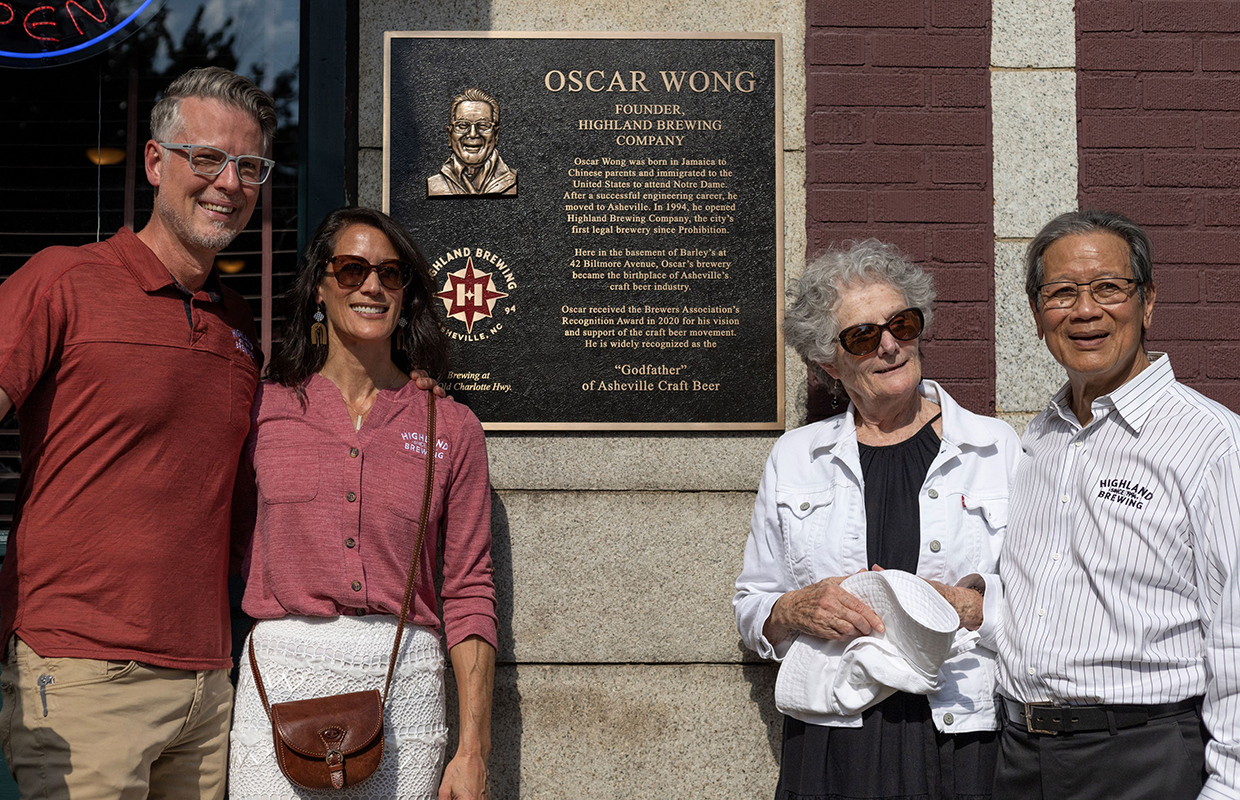
Highland Brewing was founded in 1994 as Asheville’s original craft brewery, starting as founder Oscar Wong’s passion project on refurbished dairy equipment in the basement of Barley’s Taproom. Wong became known as the “Godfather of Asheville Craft Beer,” and his belief that great beer could bring people together helped shape Asheville into one of the country’s top craft beer destinations — a scene that now includes more than 35 breweries and nearly $1 billion in economic impact across the metro area.
Today, Highland is the largest independent, family-owned brewery native to the Southeast, and that scale comes with a choice: keep growing quietly, or say out loud what the growth is for. Thirst for Good is Highland choosing the second option — putting a name to values the brewery had already been living out for three decades.
FAQ: Thirst for Good
What is Thirst for Good? Thirst for Good is Highland Brewing’s brand badge, describing why customers choose Highland: quality beer, made in a place they care about, by a company that makes values-based decisions and gives back to its community.
What are the three pillars of Thirst for Good? Flavor (the quality of the beer and its ingredients), Future (investment in community partnerships, team growth and sustainability) and Feels (the good times connected to Highland, from the brewery’s recreation and events to enjoying a beer at home).
When did Highland launch Thirst for Good? Highland introduced Thirst for Good publicly in February 2025, alongside the draft-only release of Highland Haze IPA.
How did Highland Haze support Thirst for Good? Every keg of Highland Haze sold triggered a Highland contribution to the NC Hospitality Workers Relief Fund for Western North Carolina, matched dollar-for-dollar by Skyland Distributing, with additional support from out-of-market partners — resulting in 100% of contributions going to hospitality workers.
Which nonprofits does Highland Brewing partner with? Highland’s giving is focused on partners including Asheville Humane Society, MANNA FoodBank, RiverLink, the Southern Appalachian Highlands Conservancy, the WNC Nature Center, HelpMate and the NC Arboretum.
Where is Highland Brewing located? Highland Brewing’s main campus is at 12 Old Charlotte Highway in Asheville, North Carolina, on a 40-acre hilltop property that includes a taproom, meadow, disc golf course, sand volleyball courts and event venues.